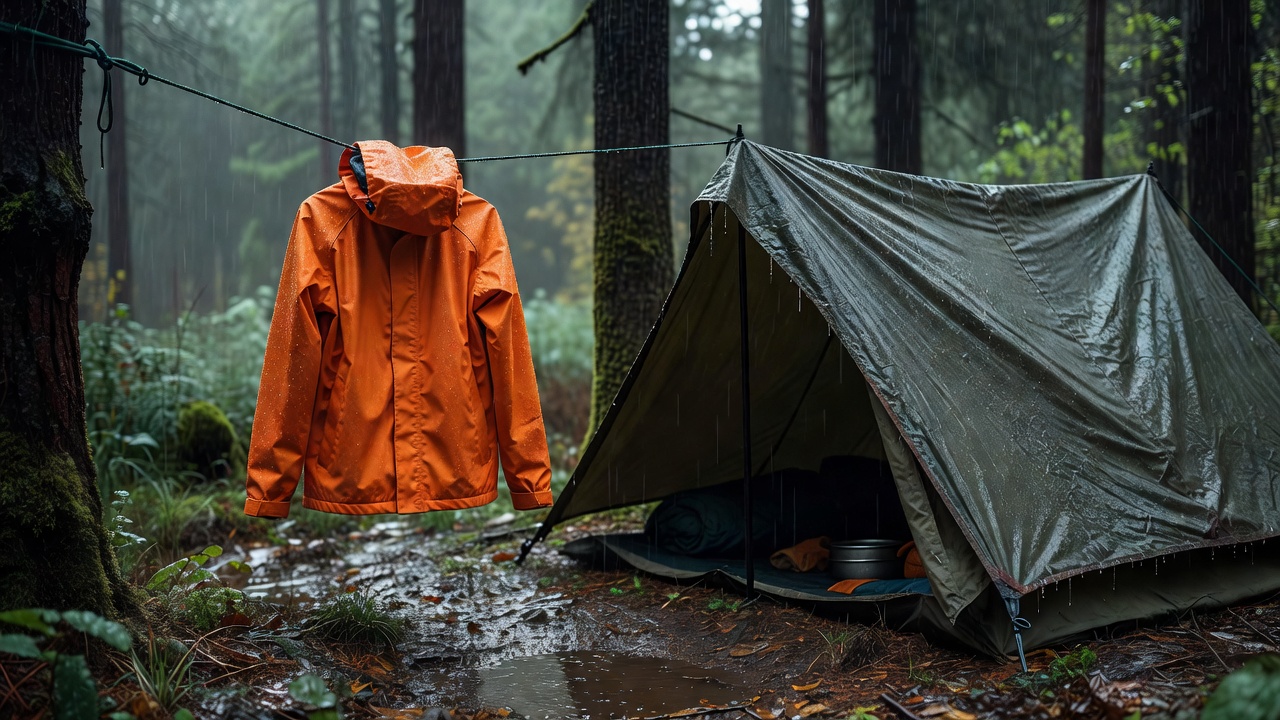
Waterproof jacket hanging beside a rain-darkened campsite shelter

Hazard first. Equipment second.

Choose equipment for the weather you face

A useful product solves a specific problem under specific conditions. Start with the forecast, identify what could fail, then choose equipment you can operate and maintain.

Review equipment by weather risk

01 / Conditions overview

Start with the hazard

Use the panels to identify an equipment priority, not to judge whether it is safe to stay. Official local warnings and evacuation instructions take precedence.

Reduce the heat reaching you

Shade and clothing can reduce exposure. Reliable cooling and a plan to reach a cooler building matter when conditions become dangerous.

Dependency: airflow, water or electricity, depending on the product. Limit: a fan does not make every hot room safe.

Read the heat guide →

Keep insulation dry and usable

Choose layers, traction and bedding for the temperature, moisture and activity you expect. Spare dry clothing is part of the system.

Dependency: fit, dryness and safe shelter. Limit: wearable warmth cannot make an unheated building safe indefinitely.

Read the cold guide →

Manage ordinary water entry

Maintain roof drainage, protect documents and understand which openings a barrier can cover. Prepare to leave before access becomes unsafe.

Dependency: installation, drainage and sometimes electricity. Limit: household barriers do not make a building flood-proof.

Read the rain guide →

Separate essential loads from conveniences

List the equipment you need to keep running, then check energy use, starting demand and recharge options.

Dependency: stored energy, fuel or safe recharging. Limit: advertised battery capacity is not guaranteed runtime.

Read the outage guide →

Readiness is a sequence: monitor alerts → reduce exposure → check equipment → identify when to leave. Buying a product is only one step.

02 / Heat

Reduce heat exposure

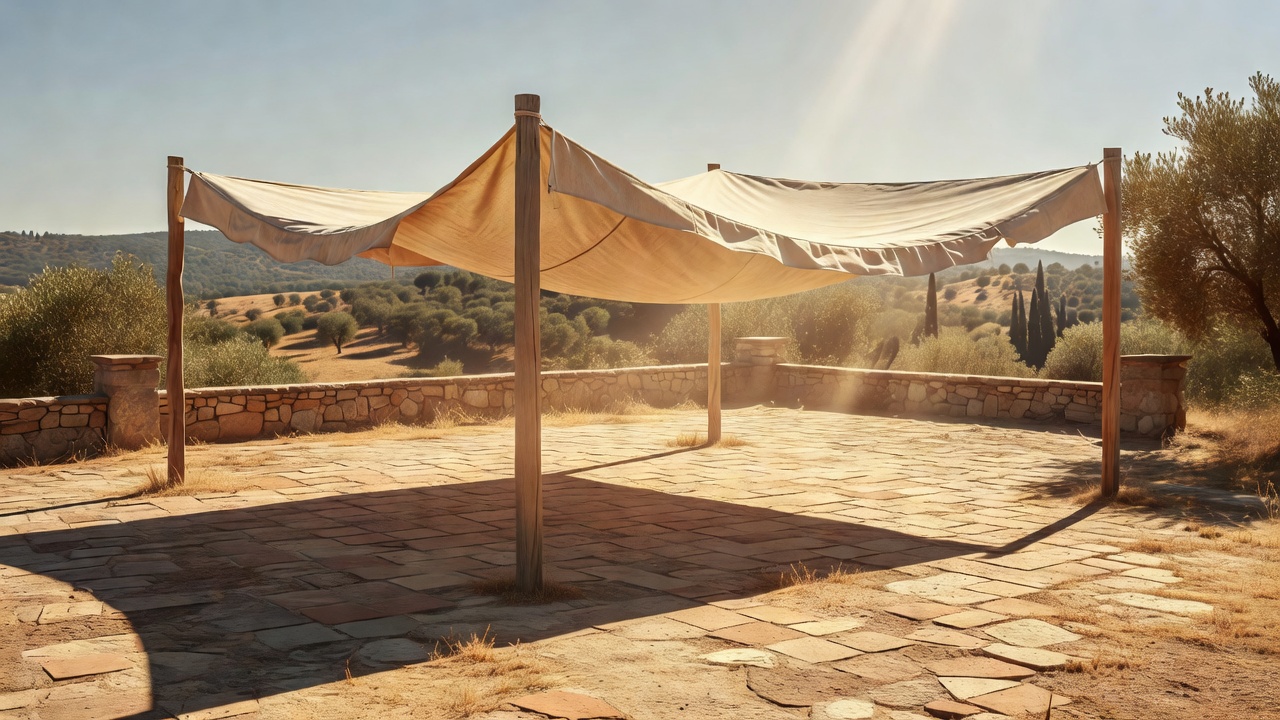
Fabric sunshade casting a broad shadow across a dry terrace

Shade, clothing and cooling access

Look at sun exposure, indoor conditions and who will use the equipment. Evaporative products depend on the surrounding air; powered cooling depends on a working supply.

Check
Shade coverage
Maintain
Clean filters
Plan
A cooler place
Explore heat equipment

03 / Cold

Prepare for severe cold

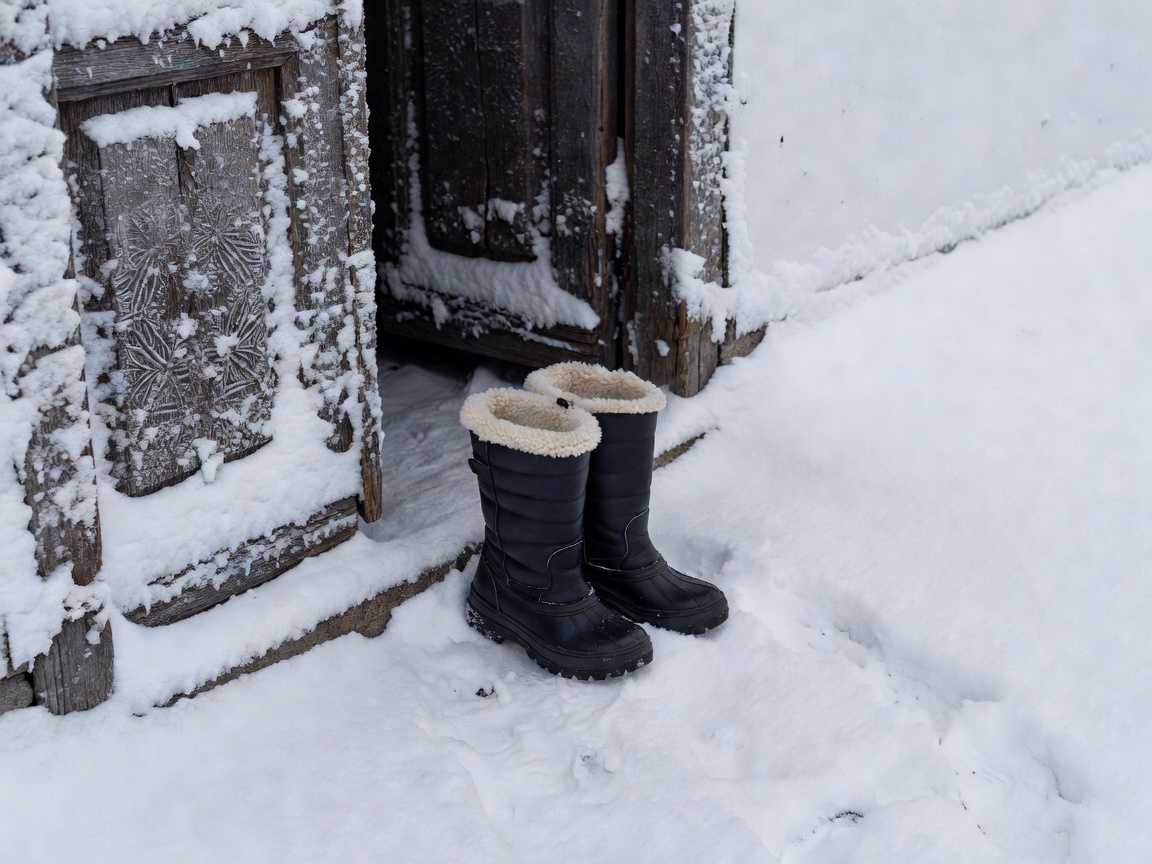
Insulated winter boots standing beside a snow-covered doorway

Warmth is a complete system

Dry layers, ground insulation and weather protection work together. A warm-looking coat cannot compensate for wet socks or inadequate shelter.

Compare cold-weather functions →

04 / Heavy rain

Keep rain outside

Start with openings and drainage

Rainwear helps a person stay drier. A maintained gutter helps a building shed water. Neither is protection against moving floodwater.

Separate weather resistance, immersion protection and flood management before comparing labels.

Explore wet-weather equipment
Rain droplets beading on the sleeve of a waterproof jacket

05 / Outages

Plan around lost power

Capacity needs context

Check watt-hours, output limits and real appliance demand. Add a recharge plan rather than assuming a battery will cover an entire disruption.

Read the power-loss guide →

06 / Limits and remit

Know where products stop

Questions before purchases

What does “waterproof” mean? Will a fan help? Does a battery run a refrigerator? Our answers explain the missing conditions.

Read Weather Questions →

An archive, not a shop

We describe product categories and their limits. We do not sell equipment, issue warnings, certify products or promise protection.

Understand our scope →

For current US information, use the National Weather Service and Ready.gov. In the UK consult the Met Office; in Canada consult Environment and Climate Change Canada. Elsewhere, use your national weather service and local emergency authority.