Plan for activity, wind and moisture
The same coat can feel adequate while walking and inadequate while waiting. Physical effort generates heat, while wind and wet clothing can increase heat loss. Before choosing equipment, consider how long you might be outside, whether you can return to shelter and whether the person wearing it can adjust layers without assistance. A forecast low is a starting point, not a complete clothing specification.
Cold also changes equipment performance. Batteries may deliver less usable energy, plastics can become brittle and stiff fingers make small buckles difficult to operate. Try essential closures, lamps and phone controls while wearing gloves before conditions deteriorate. Keep an accessible dry spare layer rather than packing everything at the bottom of a bag. Avoid unnecessary outdoor tasks during official severe-weather warnings.
Build adjustable layers, not bulk alone
A base layer should help manage moisture next to the skin. An insulating middle layer traps air, and an outer layer helps resist wind or precipitation. The right combination depends on activity and local conditions. Too much insulation during exertion can lead to sweating, followed by rapid discomfort when activity stops. Adjust early rather than waiting until clothing is soaked.
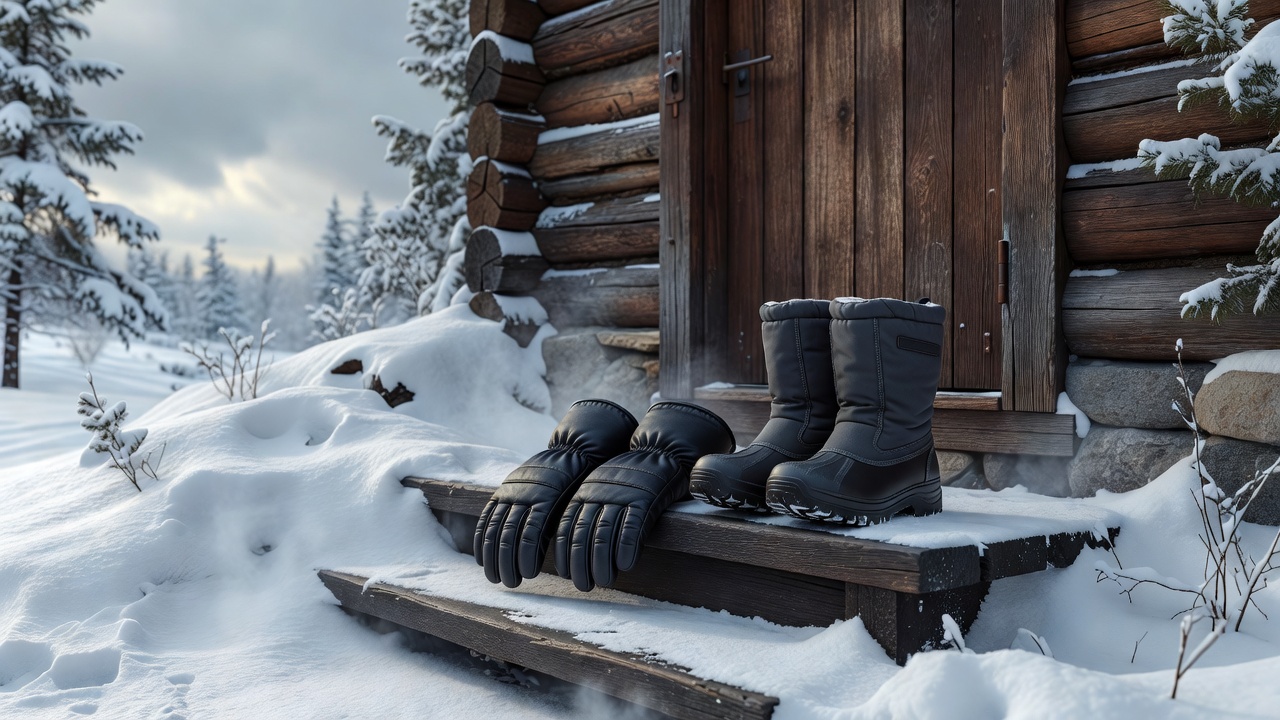
Fit matters at cuffs, ankles and the neck, but constriction is not useful warmth. Boots need room for the intended socks without compressing feet. Gloves and mittens should suit the task: dexterity and insulation often compete. Waterproof claims do not mean footwear can be submerged indefinitely, and insulation can lose effectiveness when saturated. Read drying instructions, since direct heat may damage adhesives, membranes or synthetic components.
- Test reference
- ISO 23537 sleeping bags
- What it covers
- Defined laboratory conditions
- Source
- ISO standard search
Read bedding ratings with their assumptions
A sleeping bag’s comfort, limit and extreme figures are not interchangeable. Where a product uses ISO 23537 testing, the figures refer to defined test assumptions rather than a guarantee for every sleeper. An extreme rating is not a sensible comfort target. Body size, clothing, food, fatigue and the surface underneath all influence real use. Check the maker’s explanation and choose conservatively for the intended situation.
Ground insulation is a separate component. A thick-looking sleeping bag can compress underneath the body and lose much of its insulating value there. Sleeping-pad R-values describe thermal resistance; comparable testing, such as ASTM F3340 where stated, is more useful than visual thickness alone. Emergency foil blankets can help reduce some heat loss, but they are not substitutes for substantial insulation, suitable shelter or medical treatment.
Keep heating decisions separate from clothing decisions
Portable electric heaters require sound wiring, clear space and the exact supply arrangements specified by the manufacturer. Place them on a stable surface away from bedding and other combustible materials. Do not cover them or leave them running unattended or while sleeping. The Consumer Product Safety Commission and National Fire Protection Association provide fire-prevention guidance that should inform any household heating plan.
Never heat a home with a cooking oven, charcoal grill or generator. Fuel-burning equipment can produce lethal carbon monoxide even when fumes are not obvious. Maintain smoke and carbon monoxide alarms according to their instructions, including backup batteries where applicable. An alarm is a last line of warning, not permission to use an unsafe heating method. If the home cannot be kept safely warm, relocation may be the appropriate response.
| Equipment | Check before use | Failure concern |
|---|---|---|
| Insulated footwear | Fit with intended socks | Wet insulation or restricted circulation |
| Sleeping system | Bag rating and pad insulation | Heat loss to the ground |
| Traction aid | Surface suitability and secure fit | Slipping on unsuitable indoor surfaces |
Traction and maintenance reduce avoidable problems
Removable traction aids can help on some icy surfaces, but they are not universal grip devices. Metal elements may be slippery on smooth indoor floors, and loose fittings can catch or detach. Match the aid to the footwear and surface, follow removal instructions and use handrails where available. A shovel or ice scraper does not make travel safe when authorities advise staying off roads.
Maintenance check: layers, bedding and traction
Dry items fully before storage, inspect seams and soles, replace damaged straps and follow laundering instructions. Store sleeping bags as directed rather than permanently compressing their insulation. Check hand-warmer expiry dates and skin-contact warnings before packing them.
Your cold-weather kit should support a wider plan: reliable information, a warm destination, transport when safe and contact with others. Battery-heated clothing and rechargeable warmers introduce another dependency. If warmth depends on a charging socket, review the outage guide and prepare a non-powered fallback.